
The Hidden Impact of Chronic Stress: What You Should Know (Youth Generated Content)
Author: Ana Fabiana Fernandez, YE4C Editorial Board Member
Does your heart race before a big exam? Does your stomach turn before an important event? Stress is a natural response to challenges, but constant stress can affect your physical and mental health, as well as overall well-being. Many young people, like me, face daily stress from school deadlines and personal struggles, often without realizing its impact.
Starting college was thrilling, but it came with challenges. Balancing classes, adjusting to a new environment, and managing expectations felt overwhelming. At first, I thought headaches and sleepless nights were normal, but I soon realized that stress was taking a toll on my body. This situation was not unique to me; many young people face common pressures. Some stress can be good for us, pushing us to achieve more or warning us of something dangerous, but constant stress is harmful to our health and well-being. It is critical to recognize chronic stress, understand its effects, and learn how to manage it.
This article explores the types of stress and how it shows up in the body. In part 2, we will touch on how to prevent and deal with stress. Let’s dive in!
What Is Stress?
Stress is a natural physical and mental response to challenges or demands. To help, our bodies release hormones such as cortisol, which help us respond quickly.1
Short-term or “acute” stress can be helpful in some situations, such as avoiding danger or meeting a deadline. This type of stress triggers the “fight or flight” response, allowing us to take immediate action.2
Long-term or “chronic stress” is the feeling of being pressured or overwhelmed consistently for a long period of time. It is manageable, but if not addressed, it can have serious outcomes. It can lead to physical symptoms, such as headaches, sleep issues, and digestive problems, and emotional and mental symptoms, such as anxiety or being easily annoyed.3 Some common chronic stressors for youth include long-term situations such as the following.4, 5
School pressures: Managing academic workload, balancing additional or out of school activities, and preparing for future education can create stress.
- Transitioning into adulthood: Gaining financial independence, adjusting to new environments, and planning for the future can feel worrisome.
- Navigating relationships: Friendships, family dynamics, and romantic challenges can present challenges in maintaining healthy and fulfilling relationships.
Other stressors include a lack of support systems, concerns about safety and security, tragic events such as natural disasters, car accidents, and much more.
How Can Chronic Stress Affect You?
Chronic stress can cause long-term damage to the mind and the body. The body releases cortisol, known as the “stress hormone,” to prepare for immediate threats. However, when cortisol levels remain high for extended periods, they lead to constant inflammation. This inflammation links to future heart disease, digestive problems, mental disorders, sleep challenges or disorders, and more.6
The Heart: Increased Blood Pressure
Chronic stress causes long-term elevations in blood pressure, contributing to hypertension (that is, high blood pressure) and increasing your risk for heart disease. In the long term, high blood pressure can cause problems and challenges with your heart and blood vessels.7
Symptoms to watch for: chest pain, a racing or fluttering heartbeat, dizziness, or feeling lightheaded. If left unmanaged, more serious conditions can develop.
The Immune System: Weakened Defenses
Increased and prolonged stress hormones prevent immune cells from functioning properly, increasing a proneness to illnesses such as colds or more serious infections, thus making it harder to fight off infections.8
Symptoms to watch for: slower recovery from illnesses and increased frequency of illnesses.
The Digestive System: Poor Gut Health
Chronic stress can disrupt digestion and cause inflammation and irritation in the gut, which may lead to further problems. Stress signals and hormones can affect how your body moves food through the digestive system, sometimes speeding it up (causing diarrhea) or slowing it down (causing constipation). Stress can also change how your body digests food, leading to problems like irritable bowel syndrome (IBS), acid reflux,9 and other digestive issues.10
Symptoms to watch for: stomach cramps, nausea, indigestion, constipation, bloating, and worsening of ulcers.
Fun Fact: Scientists are studying the brain by looking at long-term potentiation (LTP), a process important for learning and memory. When animals were exposed to stress they could not control, their brains showed less LTP, and they had a harder time learning and remembering. But when animals could control stress, such as stopping it, this negative effect on LTP did not happen.11 |
The Brain: Poor Memory and Decision Making
Constant stress can affect normal brain functions, including memory and decision-making. This process is neuroplasticity, which allows our brain to adapt and form new connections and helps us learn and remember new things. However, chronic stress can stifle the brain’s neuroplasticity, making it harder to learn and remember. This results in difficulties with our ability to concentrate and remember, and exposes us to anxiety and depression.12
Symptoms to watch for: memory loss, difficulties concentrating, anxiety, irritability, or depression.
The Muscles: Soreness and Pain
Stress causes the body to prepare for action, such as tightening the muscles for the “fight or flight” response. Constant stress keeps muscles contracted, leading to pain and discomfort. Over time, this tension can contribute to “musculoskeletal” or movement disorders, such as tension headaches and neck or back pain.13
Symptoms to watch for: persistent tightness or soreness, especially in the shoulders, neck, or back.
Sleep: Disruptions
Lastly, chronic stress can severely impact sleep, which affects various parts of our bodies. Chronic stress can disrupt the body’s ability to regulate sleep patterns, making it more difficult to fall and stay asleep. Poor sleep also leads to fatigue, making it harder to handle daily tasks.14
Symptoms to watch for: difficulty falling asleep, staying asleep (insomnia), or feeling exhausted during the day.
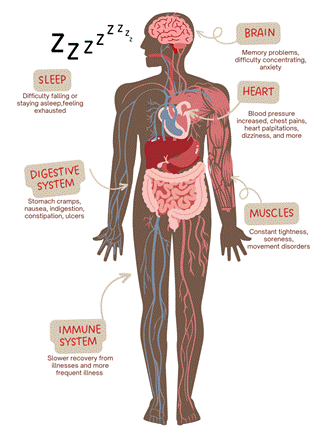
Source: Developed by YE4C Editorial Board member, Fabiana, informed by this article.
Managing Stress for a Healthier You
Stress is a natural part of life, but when prolonged and unmanaged, it can harm our health and well-being. From headaches and digestive issues to anxiety and depression, the effects of stress are real and can have long-term consequences. The good news is that by recognizing the signs of chronic stress early and learning healthy coping strategies, we can manage it more effectively and improve our quality of life.
Taking care of your stress is crucial for keeping your mind and body healthy! Be sure to check out Part 2 of this article -- Coping with Chronic Stress: Healthy Strategies for Young Changemakers, which discusses coping methods.
If you ever feel overwhelmed and need support right away, call or chat via the 988 Lifeline to connect with someone who can help.